Source track light cable gripper for hanging lamps, lighting systems, and wire management
Compare 18 track light cable gripper options from Dongguan suppliers with varying dimensions and load capacities. Buyers can review OEM customization, surface treatments, and pricing details for hanging system applications.
Key considerations
Products List


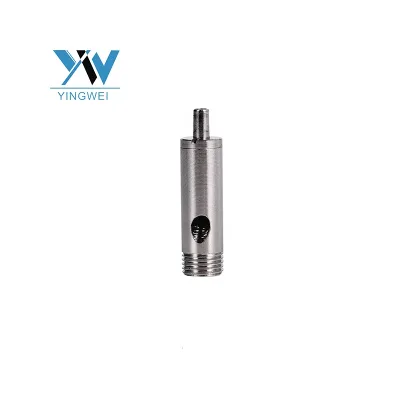
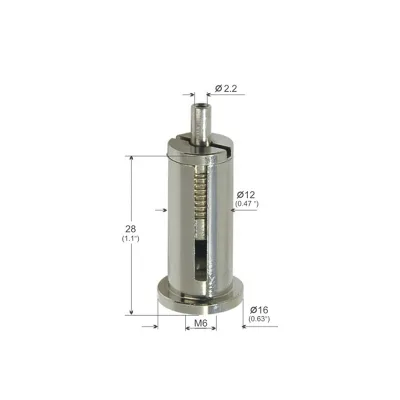
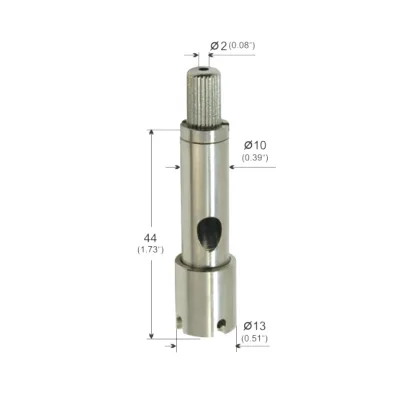
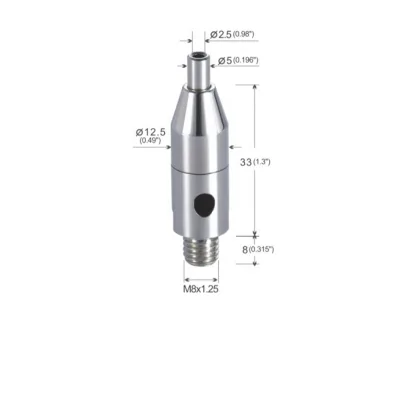


Comprehensive Sourcing Guide
Strategic Sourcing Guide for Track Light Cable Grippers
The global lighting industry relies heavily on specialized hardware to ensure the safety and aesthetic integrity of suspended track lighting systems. Among these components, the track light cable gripper serves as a critical interface between the electrical supply and the luminaire. For procurement professionals, sourcing these devices requires a nuanced understanding of technical dimensions, material integrity, and supply chain logistics. The market offers a diverse array of models, ranging from standard industrial fixtures to custom-engineered solutions. This guide synthesizes available product data to provide a structured approach for evaluating potential suppliers and selecting the appropriate hardware for specific installation requirements.
Technical Specifications and Dimensional Variability
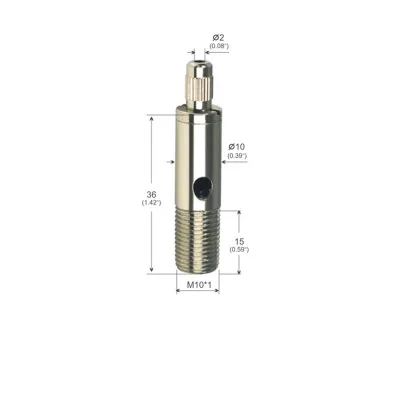
The primary differentiator among cable grippers is their dimensional compatibility with both the suspension cable and the mounting thread. Data indicates a significant variance in product models, suggesting that a "one-size-fits-all" approach is rarely viable in this category. Buyers must scrutinize the specific model numbers and associated dimensions to ensure compatibility with existing infrastructure. For instance, specific models such as PT-SXQ-116-03 and PT-SXQ-078-04 are associated with precise dimensional standards like 9x26mm or 9x26mm + 20x12mm. These variations are not merely cosmetic; they dictate the physical fit within the track system and the load-bearing capacity of the assembly.
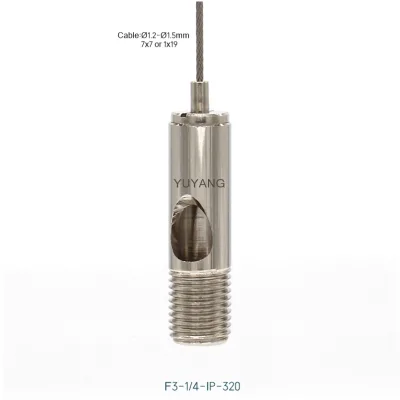
Furthermore, the cable exit configuration is a critical technical parameter. Some units are designed with a side exit, which may be necessary for specific track geometries or aesthetic constraints where a straight vertical drop is not feasible. The internal diameter of the gripper must also align with the cable diameter. Evidence suggests that certain models are optimized for cables ranging from 1.0mm to 1.5mm, while others accommodate a broader range up to 2.0mm. When sourcing, procurement teams should verify the "suit for cable diameter" specification against the actual wire gauge used in their project. Mismatches here can lead to slippage, excessive wear on the cable, or an inability to secure the fixture properly.
| Model Series | Standard Dimension | Thread Specification | Cable Diameter Range |
|---|---|---|---|
| PT-SXQ-116-03 | 9x26mm + Custom | Not specified in data | Not specified in data |
| PT-SXQ-078-04 | 9x26mm + 20x12mm | Not specified in data | Not specified in data |
| YW-86153 | 9mm | M6 | 1.0~1.5mm |
| YW-86099 | D16*28mm | M6 | 1-1.5mm |
| YW-86398 | Not specified | M8*1.25 | 1-2mm |
The table above illustrates the necessity of cross-referencing model numbers with specific thread sizes and cable tolerances. The presence of both M6 and M8*1.25 threads in the observed data highlights the need for precise matching with the track head or suspension rod. Additionally, the "Custom" designation in some standard dimensions suggests that manufacturers may offer bespoke sizing, which is a vital option for unique architectural projects.
Material Composition and Surface Treatment
The longevity and safety of a cable gripper are inextricably linked to its material composition and surface finish. The core material for many observed units is copper, a choice driven by its excellent conductivity and mechanical strength. However, raw copper is susceptible to oxidation and corrosion, particularly in environments with high humidity or fluctuating temperatures. To mitigate this, surface treatments are applied. The data explicitly mentions "plated nickel" as a common treatment, which provides a robust barrier against corrosion while maintaining a professional aesthetic.
Color options further expand the utility of these components. Available finishes include nickel, chrome, black, and white, allowing the hardware to blend seamlessly with various track systems or stand out as a design element. When evaluating suppliers, buyers should verify that the plating process meets industry standards for adhesion and thickness. A thin or poorly applied nickel plating can peel over time, exposing the copper core and leading to structural failure. While specific plating thicknesses are not provided in the source data, the presence of multiple color options implies a standardized electroplating process capable of producing consistent finishes across different batches.
Load-Bearing Capacity and Safety Standards
Safety is the paramount concern when sourcing hardware that supports suspended loads. The performance of a cable gripper is defined by its Safe Working Load (SWL) and its Minimum Breaking Load (MBL). These metrics are not static; they vary significantly based on the cable diameter used. For example, specific data points indicate an MBL of 50kg at a 1.0mm cable diameter, increasing to 100kg at 1.5mm. Other models demonstrate even higher capacities, with an MBL of 2150kg at a 2mm cable diameter.
This variance underscores the importance of calculating the total load of the lighting fixture, including the weight of the lamp, the housing, and any additional accessories, before selecting a gripper. The SWL is typically a fraction of the MBL, often adhering to a safety factor of 4:1 or higher in professional applications. Buyers must ensure that the selected model's SWL exceeds the total expected load with a sufficient margin of safety. The data also notes specific SWL values, such as 10kg at 1.0mm and 20kg at 1.5mm for certain models. Procurement teams should not rely on the maximum breaking load alone but must verify the working load limits provided by the manufacturer to prevent catastrophic failure.
Customization and Production Capabilities
The market for track light cable grippers is characterized by a high degree of customization. The observed data confirms that customization is available, with production modes listed as OEM (Original Equipment Manufacturer). This indicates that suppliers are equipped to produce components tailored to specific client requirements, such as unique dimensions, specialized thread pitches, or custom branding. The "Custom" standard designation for models like PT-SXQ-116-03 further supports the availability of non-standard sizing.
For buyers with specific project needs, this OEM capability is a significant advantage. It allows for the integration of the gripper into a cohesive system where dimensions and finishes match other components perfectly. However, customization often introduces variables in lead time and minimum order quantities (MOQ). While standard items may have an MOQ of 200 pieces, custom runs might require higher volumes. Buyers should inquire about the flexibility of the production line to accommodate small-batch custom orders if their project scale is limited. The availability of samples for free is another positive indicator, allowing buyers to physically test the fit and finish before committing to a larger order.
Supplier Evaluation and Logistics
Evaluating a supplier for cable grippers requires a holistic view of their operational capabilities. The origin of these products is predominantly Guangdong, China, a region known for its robust manufacturing infrastructure. However, the specific location within the province, such as Dongguan, can impact logistics and communication. Buyers should verify the supplier's ability to provide detailed reports on production status, as "Report Available" is a noted attribute. This transparency is crucial for tracking the progress of custom orders and ensuring adherence to timelines.
Logistics and packaging are also critical factors. The standard packaging involves cartons stacked on pallets, with shipping options available via air or sea freight. The single package size and gross weight vary by model, ranging from 12x10x2 cm with a weight of 0.05 kg for smaller units to 35x25x18 cm with a weight of 14.000 kg for larger or bulkier shipments. These variations directly impact shipping costs and storage requirements. Buyers must calculate the total landed cost, including freight, by understanding the density and volume of the specific models they intend to purchase.
| Attribute | Observation | Procurement Implication |
|---|---|---|
| Origin | Dongguan, China / Guangdong | Verify local logistics partners |
| Packaging | Cartons + Pallets | Assess palletization for sea freight |
| Lead Time | 3~5 days after deposit | Confirm deposit terms and timeline |
| MOQ | 20-1000 (Observed) | Negotiate based on order volume |
| Samples | Available for free | Request samples for quality verification |
Quality Control and Long-Term Procurement
Implementing a rigorous quality control (QC) protocol is essential for mitigating risks associated with hardware procurement. Given the safety-critical nature of cable grippers, buyers should request documentation regarding material certifications and plating thickness. While specific test results are not provided in the source data, the mention of "Lct: Report Available" suggests that suppliers can provide Lot Control Test reports. These documents should verify that the batch meets the specified dimensions and load-bearing requirements.
Long-term procurement considerations extend beyond the initial purchase. Buyers should assess the supplier's consistency in maintaining quality across different production runs. The availability of a wide range of models, from standard to custom, indicates a mature supply chain, but it also requires careful management to ensure that the correct specifications are delivered. Establishing a clear communication channel for technical queries and maintaining a relationship with the supplier for future reorders can streamline the procurement process. Additionally, verifying the supplier's ability to handle changes in cable standards or track system designs is vital for future-proofing the supply chain.
In conclusion, sourcing track light cable grippers requires a meticulous approach that balances technical specifications, safety requirements, and logistical realities. By focusing on the specific dimensions, material properties, and load capacities observed in the market, buyers can make informed decisions that ensure the safety and longevity of their lighting installations. The availability of customization and OEM services offers flexibility, but it must be managed with a clear understanding of MOQs and lead times. Ultimately, a disciplined evaluation of supplier capabilities and product data will lead to successful procurement outcomes in this specialized hardware category.
FAQs
What dimensions are available for track light cable grippers?
Standard dimensions include 9x26mm, 9x26mm plus 20x12mm, and 12x31mm with specific thread options. Custom sizing is also available to meet unique project requirements. Buyers must verify the specific model number against their track system to ensure a proper physical fit.
Can I customize the thread size and cable diameter?
Yes, customization is available for thread specifications like M6 or M8 and cable diameters ranging from 1.0mm to 2.0mm. OEM production modes allow for tailored solutions. Ensure the selected model supports the exact wire gauge required for your specific lighting fixture installation.
How much load can a track light cable gripper support?
Safe working loads vary by model, typically ranging from 10kg to 30kg depending on the cable diameter used. Minimum breaking loads can reach up to 2150kg for thicker cables. Always calculate the total fixture weight and select a unit with a safe working load that exceeds your requirements.
What materials and finishes are used for these grippers?
These components are primarily made of copper with a plated nickel surface treatment for corrosion resistance. Available color finishes include nickel, chrome, black, and white. The plating ensures durability while allowing the hardware to blend with various track system aesthetics.
What is the minimum order quantity for these products?
The minimum order quantity ranges from 20 to 1000 pieces depending on the specific model and customization level. Standard items may have lower MOQs, while custom runs often require higher volumes. Free samples are available for quality verification before placing a larger order.
Where are these cable grippers manufactured and shipped from?
Products originate from Dongguan, China, within the Guangdong province. Shipping is handled via air or sea freight using cartons stacked on pallets. Buyers should verify the specific origin location to assess logistics costs and lead times for their region.
How long does it take to receive an order?
Delivery time is typically 3 to 5 days after receiving the deposit for standard orders. Production mode is OEM, which may affect timelines for custom specifications. Buyers should confirm the exact lead time with the supplier before finalizing the purchase agreement.